Category: Uncategorized
-
Tools to Provide Accessibility
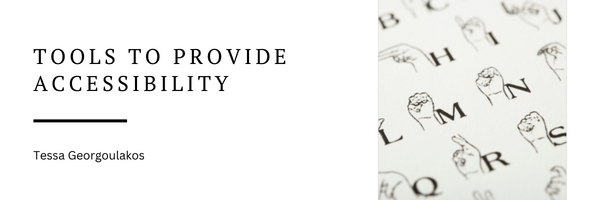
Even those who don’t have reading difficulties will be able to understand a blog article thanks to accessibility. As a blogger, I need to consider those with hearing loss, low vision, blindness, and other disabilities as listed on the ADA (link here) in order to make my site more accessible to everyone. I need to support all audiences by
-
Analyzing Infographics
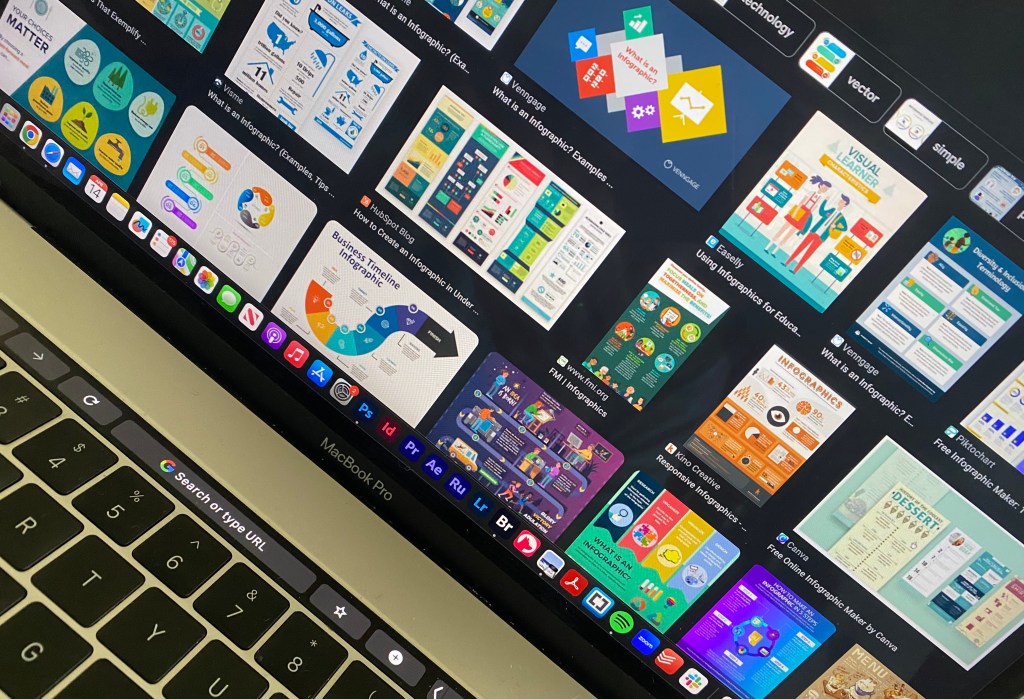
Visuals help us to think more quickly. Most visuals aim for simplicity, yet there are occasions when we need to use a lot of complexity and display enormous data. Complicated data can be represented by simple yet elegant shapes, thus illustrating the development of graphs and statistics. This decoding of information has historically been communicated
-
Design Using Visual Thinking
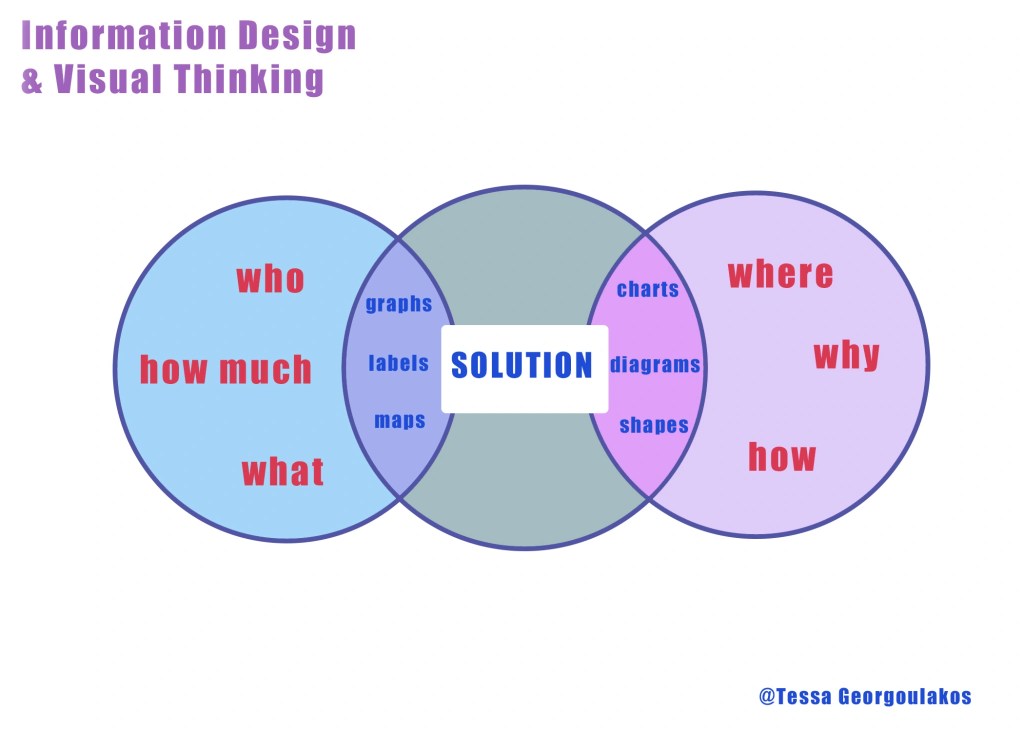
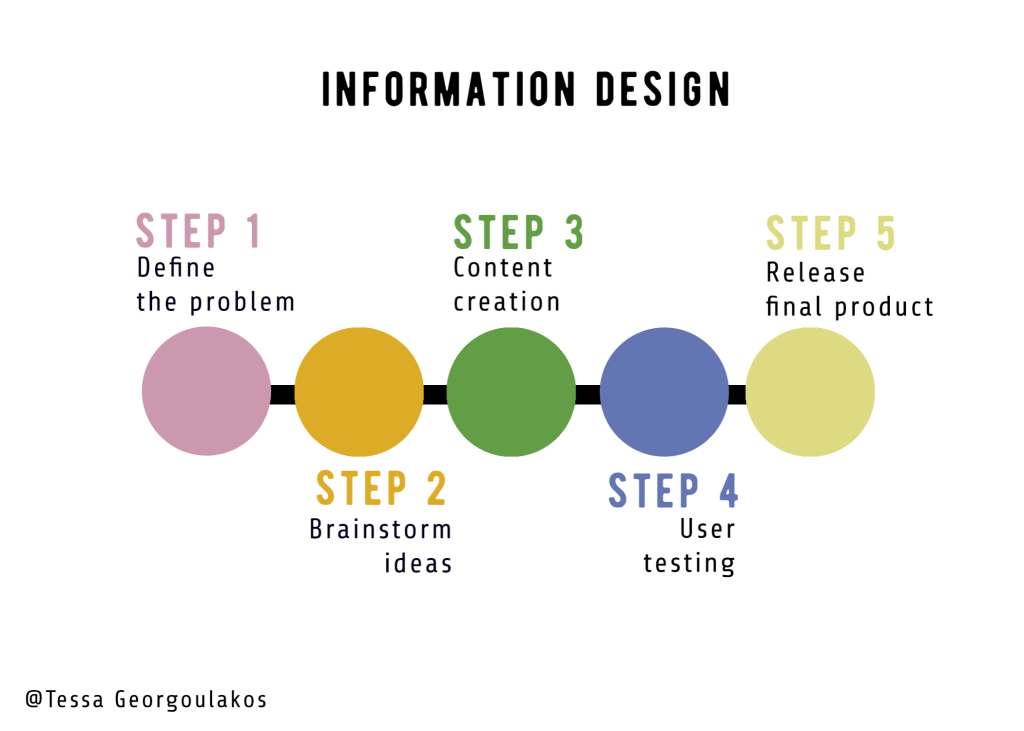
I’d like to investigate the information design procedure, concentrating on visual design thinking. I’m focusing on Dan Roam’s method from Back of the Napkin because it’s concise, direct, and to the point. The first step in the information design process is identifying the issue and creating a plan based on the data and research you’ve gathered. In light
-
Theory of Information Design
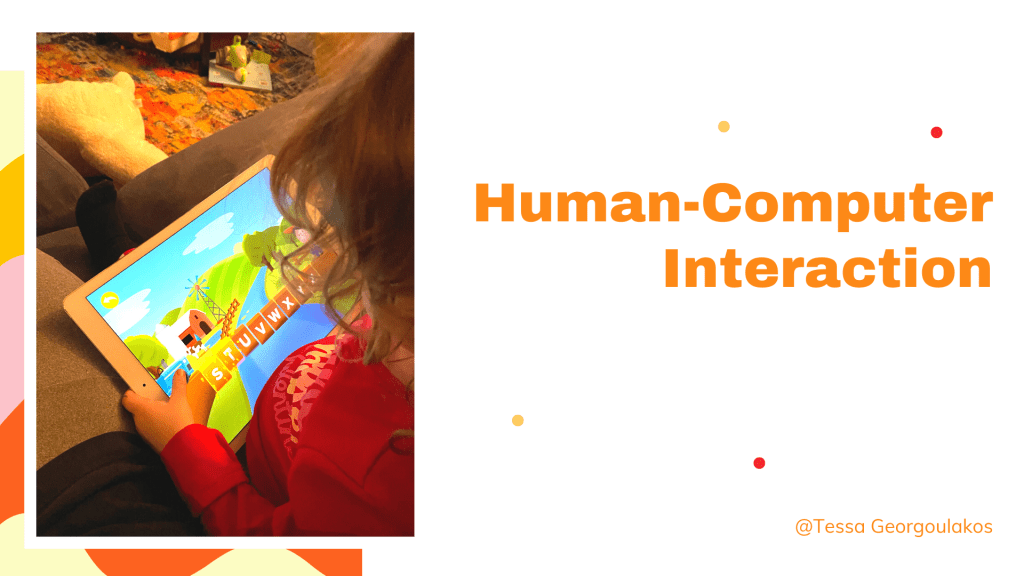
A field of study called human-computer interaction (HCI) focuses on how computers are made and how people interact with them. User-centered design (UCD), user interface (UI) design, and user experience (UX) design are overlapping subfields of the large topic of human-computer interaction (Design Foundation). Since the earliest computers made weren’t intended for the general public, it’s a
-
What is Information Design?
Information design is a branch of graphic design. It’s an approach to designing information that’s visually appealing while also making sense to the user. Information design helps to make sharing complex ideas easier. How do you share information in the clearest way possible? It must be both aesthetically pleasing and practical. To create designs that are
 Tech with Tess